


AI and data analytics have exploded in ways we couldn’t have imagined just a few years ago. And with that growth comes something we can’t ignore—responsibility. Sure, ethical data practices check the compliance box, but they’re really about something much bigger: building genuine trust with your customers and creating a lasting competitive edge.
Core Ethical Considerations in Data Collection
Transparency and Consent
Consumers expect honesty about what data you’re collecting and why. This means providing clear, accessible explanations of your data practices.
Data Minimization
Ethical businesses should collect only what they genuinely need for specific, stated purposes.
Security and Protection
This one’s non-negotiable. Robust security measures, regular audits, and solid incident response plans that prioritize customer notification and support.
AI-Specific Challenges
Algorithmic Bias and Fairness
AI systems learn from historical data, which means they can perpetuate or even amplify existing biases. Whether it’s personalization, targeting, or customer segmentation, you need to actively check for bias in your AI systems.
Explainability and Accountability
“Black box” AI models are everywhere, especially in financial markets. They’re powerful, but they raise serious ethical questions. When AI makes decisions about credit offers, insurance rates, or product recommendations, people deserve to understand how those decisions are made. Are you comfortable explaining your AI’s decision-making process to your customers? If not, that’s a red flag.
Automated Decision-Making
When decisions significantly impact customers, consider whether human review or intervention makes sense—even if your AI is technically capable of managing it alone.

Industry Considerations
Regardless of sector, a customer-centric approach should guide your data collection decisions, AI implementation, and analytics. Keep your customer data current and accurate and always prioritize how customers experience and benefit from your use of their information.
Nonprofits: A recent FundraisingAI survey found that 92% of donors say transparency about AI use matters to them. As people become more tech-savvy, they’re looking for reassurance that you’re managing their information responsibly.
3 takaways:
- The biggest ethical concern? A third of donors (34%) ranked “AI bots portrayed as humans representing a charity” as their #1 worry. That’s your red line right there.
- Two-thirds of donors are concerned about privacy and data security, with algorithmic bias and loss of “human touch” close behind.
- When it comes to giving behavior: 14% say they’d give more to AI-enabled organizations, but 32% would give less. The rest are on the fence. That means reputation risk and opportunity are sitting side by side.
Retail: The challenge here is walking the line between helpful personalization and manipulation. AI can identify when customers are vulnerable to impulse purchases or predict major life events from shopping patterns—pregnancy, illness, you name it.
If you’re in retail, ask yourself:
- Where are our boundaries around predictive insights?
- Are we exploiting vulnerabilities, or serving needs?
- Do customers have control over their data and the personalization they receive?
Insurance: AI-driven underwriting and pricing raises some tough fairness questions. Your algorithms might use proxy variables that correlate with protected characteristics, creating discrimination even without explicit bias.
Ethical insurers are:
- Regularly auditing their analytical and modeling practices
- Avoiding certain data sources (like social media) even when they’re predictive
- Making sure models don’t effectively exclude entire communities from coverage
Finance: You’re managing sensitive data and often serving in advisory roles. AI-driven credit decisions, investment advice, and fraud detection need to balance efficiency with accuracy and fairness. The stakes are enormous. Algorithmic errors can be life-changing—imagine being denied a mortgage, having legitimate transactions flagged as fraud, or receiving unsuitable investment recommendations.
Financial institutions need to ensure:
- AI systems are rigorously evaluated and audited for bias
- Humans review important customer decisions
- Errors have clear resolution paths
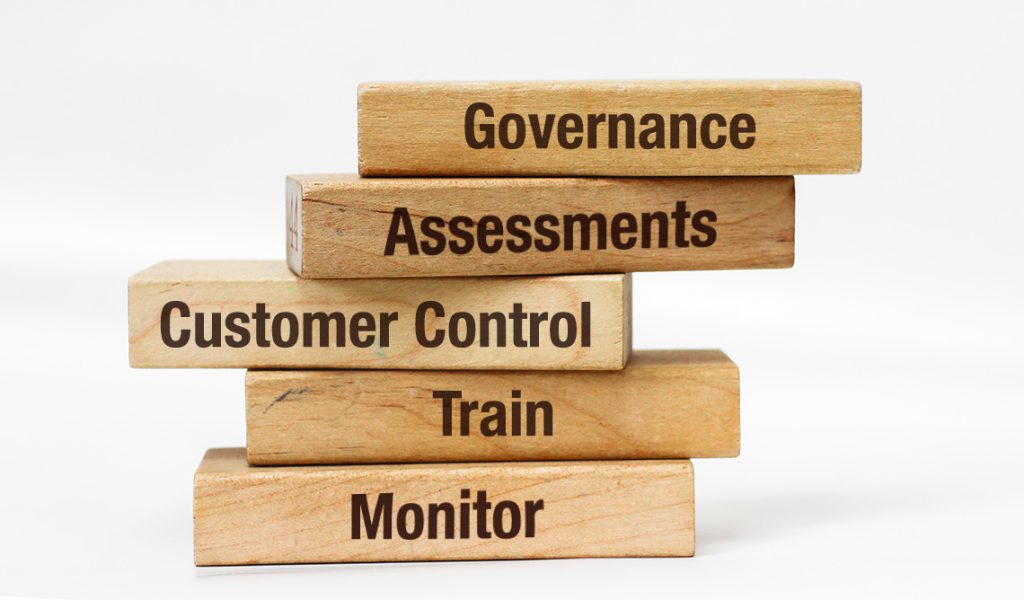
5 Ways to Build Your Ethical Data Framework
- Establish Clear Governance Create a cross-functional data ethics committee. Include legal, technical, and business perspectives. These different viewpoints will catch issues before they become problems.
- Conduct Impact Assessments Before launching new AI-driven campaigns or data collection initiatives, conduct thorough assessments of potential harm.
- Empower Customer Control Give customers meaningful ways to access, correct, and delete their data. Design systems that respect their preferences, including the right to opt out of automated decision-making.
- Train Your Team Regular training keeps everyone aligned and aware.
- Monitor and Audit Continuously Regular auditing ensures your systems remain aligned with your ethical commitments as technology evolves and your data practices grow.
In summary, organizations known for strong data ethics report higher customer trust, improved employee morale, reduced regulatory risk, and stronger brand reputation.
Get to know more about data ethics and data management – contact us or call
800-452-2357.